API bills outrun your MVP timeline
You are still validating the product while FLUX1.1 Pro Ultra charges for every exploratory frame.
Black Forest Labs · generative image API cost guide
If your Cursor, Claude, or agent stack keeps calling FLUX1.1 Pro Ultra for high-res architecture detail plates, bills climb faster than the demo justifies. This hub maps where FLUX1.1 Pro Ultra (Black Forest Labs) costs explode for vibecoders on BFL API, Replicate—and when licensed stock on a flat plan is the smarter default. Keep generative power for finals; stop paying unique synthesis rates for chrome you could catalog once.
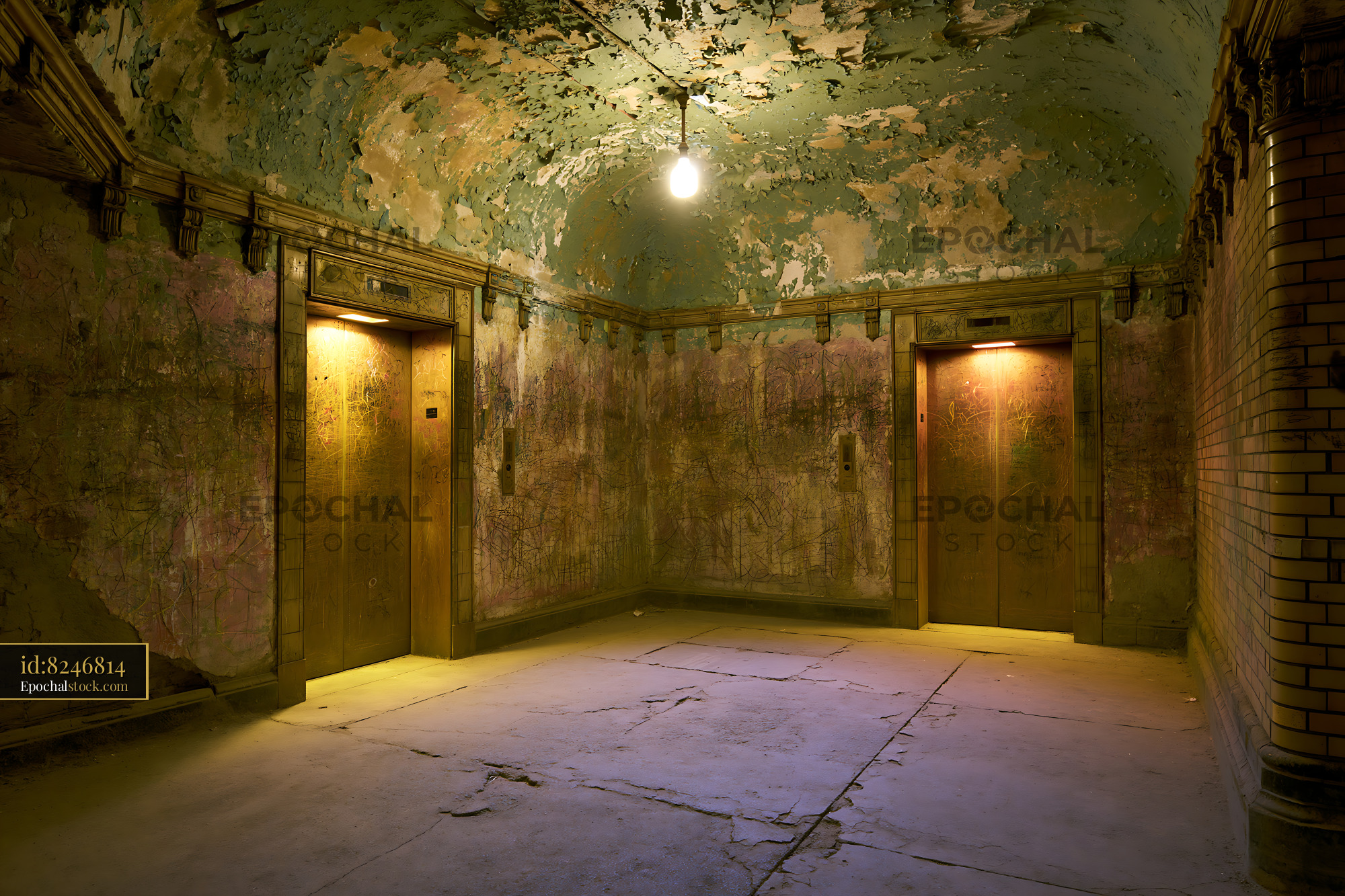
Pulled server-side from Epochal tags: architecture, design, product. Previews are cached; API keys never hit the browser.



You are still validating the product while FLUX1.1 Pro Ultra charges for every exploratory frame.
Autonomous loops re-hit FLUX1.1 Pro Ultra on failures and partials, multiplying spend without multiplying learning.
A few cents looks harmless until CI, previews, and marketing drafts all call FLUX1.1 Pro Ultra.
Most UI chrome is filler. Stock from a flat plan beats another FLUX1.1 Pro Ultra synthesis.
FLUX1.1 Pro Ultra is associated with Black Forest Labs and is commonly reached via BFL API, Replicate. The version ladder around this page includes: FLUX1.1 Pro Ultra. Typical vibecoder tags here are architecture, design, product. Black Forest Labs models via BFL API, Replicate, or fal.ai bill per generation or runtime; version upgrades on the FLUX ladder can quietly reprice every scaffold call. Per-image, credit, or prediction pricing rewards fewer calls—not the retry-heavy loops codegen and agents produce—so cost control means fewer unique FLUX1.1 Pro Ultra generations, not only hopping to a cheaper host.
Still use FLUX1.1 Pro Ultra when the asset must be model-native: brand-specific heroes, one-off product composites, prompt research you will actually ship, or style experiments that only this model nails. Do not burn FLUX1.1 Pro Ultra capacity on every empty state, CI snapshot, or blog filler that a licensed catalog image can cover.
| Version | Cost angle |
|---|---|
| FLUX1.1 Pro Ultra | Each paid call still stacks during vibecoder retries—prefer stock when uniqueness is optional. |
Epochal Stock Developer Image API is a single plan at $50 USD/month: full catalog access, 30 requests/minute per account, and unlimited original downloads with one concurrent transfer. There is no per-image fee and no free tier in v1. Use it wherever the picture does not need a unique FLUX1.1 Pro Ultra synthesis—prototypes, fixtures, placeholders—so generative spend stays reserved for finals. Authenticate server-side with a Bearer key only; never put keys in browser JavaScript.
curl -sS "https://epochalstock.com/api/v1/images?tags=workspace,startup&limit=12" \
  -H "Authorization: Bearer $EPOCHAL_API_KEY"
Keys stay on your server. Never pass ?api_key= or ship secrets to the browser.
Pulled server-side from Epochal tags: architecture, design, product. Previews are cached; API keys never hit the browser.





Ship local demos, Cursor/Claude scaffolds, and throwaway UIs without paying per generated image.
Stable test images, screenshot baselines, and design fixtures without regenerative API bills.
Fill marketing and editorial slots with licensed stock while you save generative calls for final creatives.
No. Epochal Stock Developer Image API v1 is a single paid plan at $50 USD/month with no free tier and no per-image credits.
No. Keep FLUX1.1 Pro Ultra when you need unique generative output. Use Epochal when licensed stock is enough—tests, demos, and many content slots—so FLUX1.1 Pro Ultra bills stay controlled.
30 requests/minute per account. Extra API keys do not multiply the limit; they share the same account bucket.
Common paths include BFL API, Replicate. Whatever host you pick, non-unique slots can move to Epochal’s flat plan while FLUX1.1 Pro Ultra stays for finals.